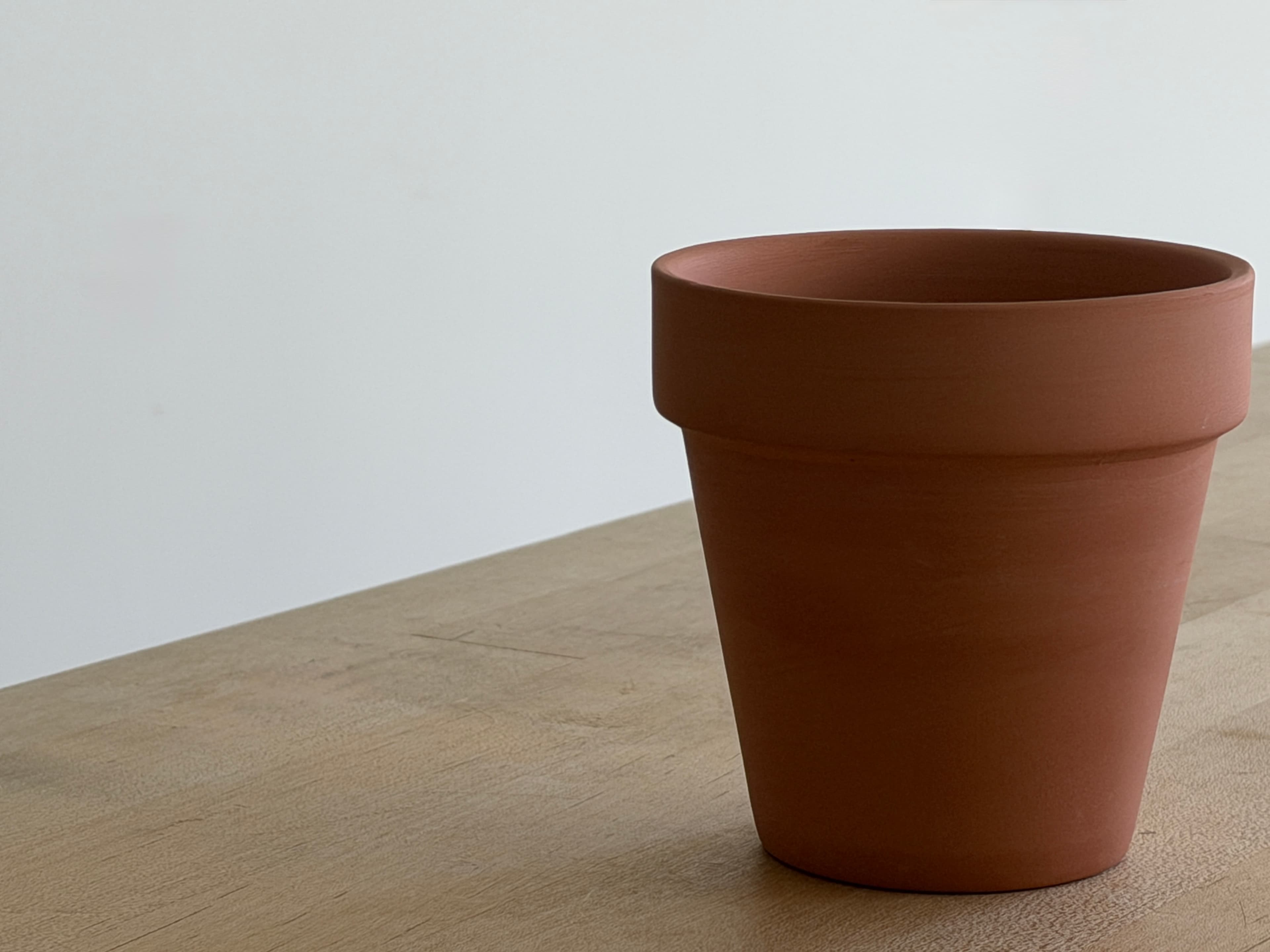
Ceramic intelligence for the home
A plant vessel that knows how to listen.
Bloom brings quiet sensing into a ceramic object made to live with you: tactile, warm, and attentive without asking your home to feel like a device.
Problem
Most plant care asks you to remember what the room already knows.
Care gets guessed
A dry leaf, a heavy pot, a bright week, a skipped watering. The clues are real, but they arrive out of order.
Apps feel separate
Most tools turn a living corner of the home into another dashboard to manage.
Objects matter
A planter sits in view every day. It should carry intelligence without giving up warmth, texture, or presence.
Why Bloom
Plant care should feel like attention, not administration.
A calmer relationship with the plants already in your home.
Sensing that stays under the surface until it has something useful to say.
An object designed to earn its place on a shelf, table, or windowsill.
Clay, glaze, circuitry
Built as a vessel first. Intelligent by construction.
Bloom keeps the language of ceramic objects: weight, surface, shadow, and touch. The sensing system is composed into that body, so technology supports the ritual instead of becoming the ritual.
- Ceramic and clay-forward material direction
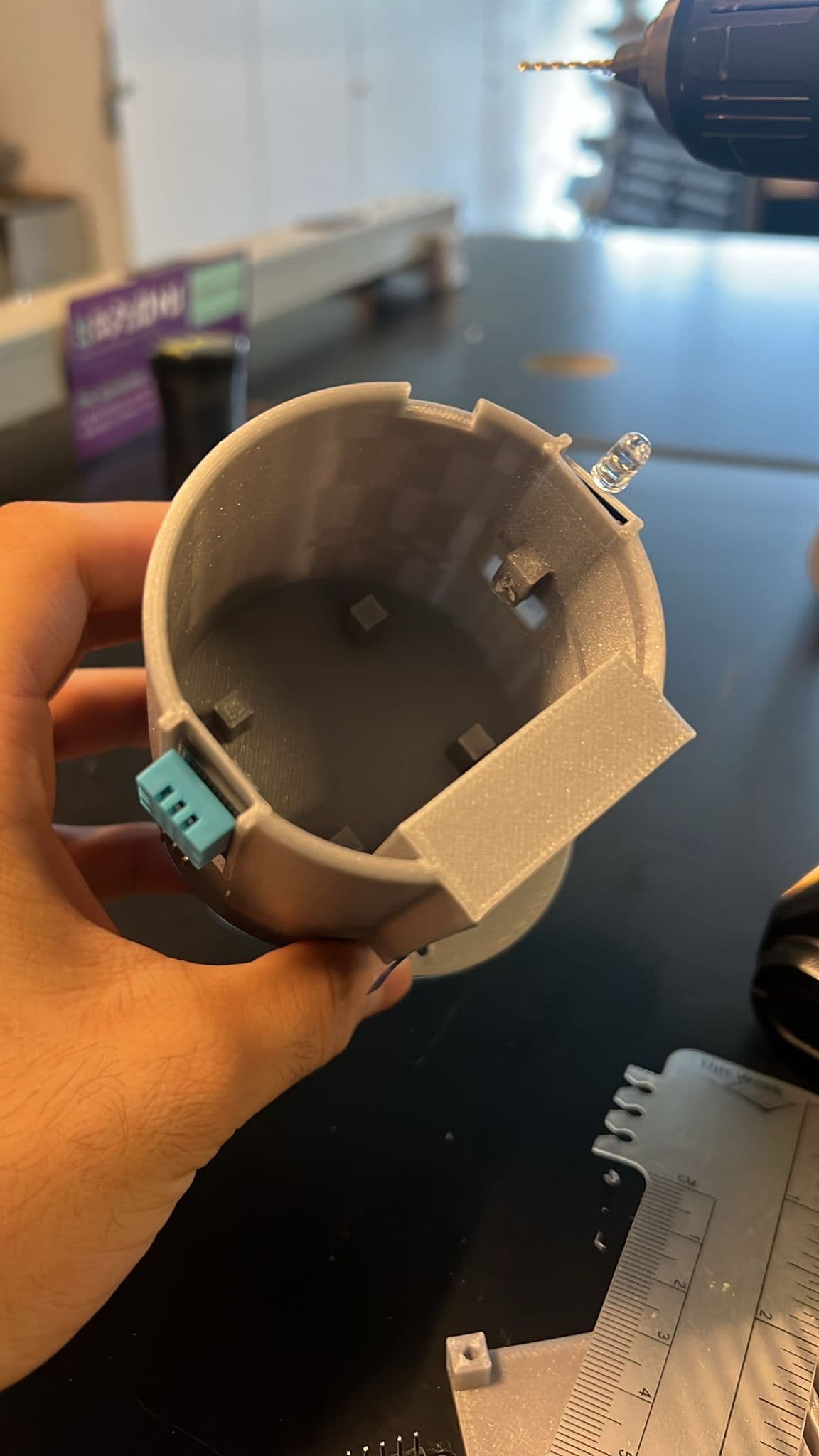
- Separated electronics and water-resistant housing
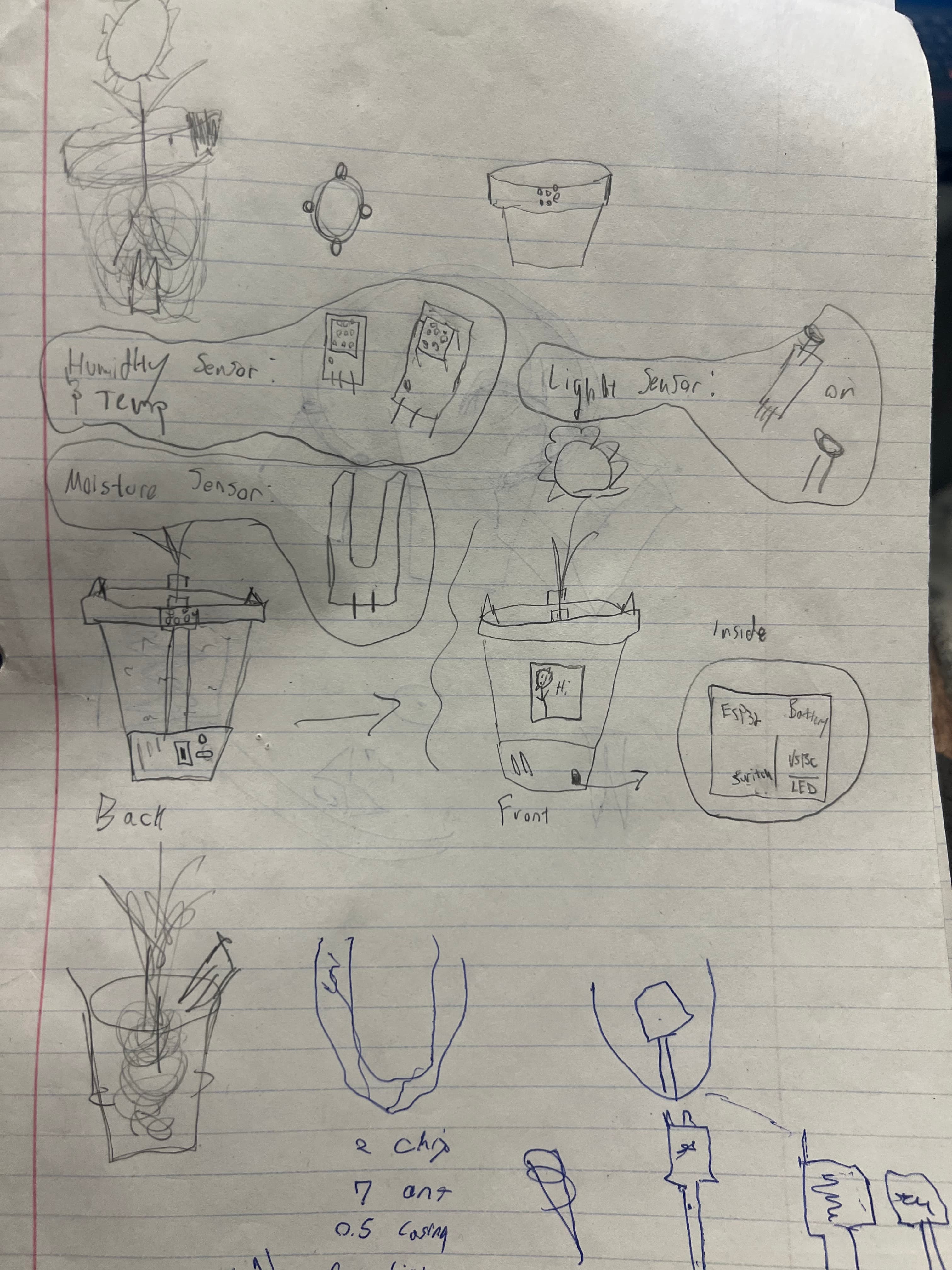
- Four core readings: moisture, light, humidity, and temperature
Solution
Quiet readings become useful care.
Bloom is not built around constant alerts. It gathers a richer picture of the plant's environment, then surfaces the next care decision with context. The full care flow now lives on the Solution page.
Choose the plant
Bloom starts with the plant you actually live with, not a generic threshold.
Read the room
The pot follows the quiet conditions that shape care: water, light, humidity, and temperature.
Notice the pattern
Care history becomes a calm signal instead of a stream of vague reminders.
Monstera in the east window
Soil is drying sooner this week.
Insight without noise
The app behaves more like a care note than a dashboard.
Bloom turns environmental data into a small number of legible signals: what changed, why it matters, and what to do next.
Early access
A quieter kind of smart home object is taking shape.
Join for launch updates, prototype notes, and early access when Bloom opens its first release.
Expected retail price: $55 USD. No spam, just product progress.
Questions
A few practical details.
Bloom reads soil moisture, light, humidity, and temperature from the pot, then translates those signals into care guidance for your plant species.
Supported by
Bloom is backed by programs supporting design, data science, and student-led hardware development.



Contact